
La Soleada Polo Ranch is located on Provincial Route 42, the same road that leads to the traditional village of Tomás Jofré.
It is situated one and a half hours from the city of Buenos Aires and Ezeiza International Airport.
In addition, it is connected via highways and expressways to the main polo areas of the Province of Buenos Aires, being just 40 minutes from Pilar, 60 minutes from Cañuelas, and 20 minutes from the towns of Luján and Open Door.
La Soleada Polo Ranch has direct access from the main road, while La Soleada Estancia is accessed 1,000 meters off the route.
Its strategic location allows it to be well connected to the main tourist towns and polo-related centers.
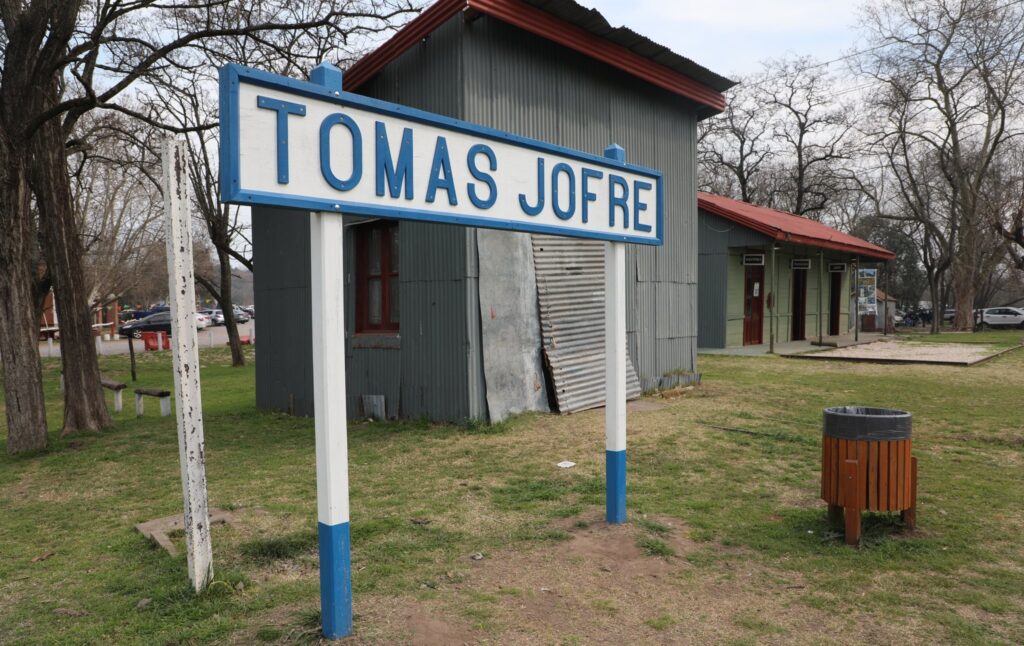
The small rural village of Tomás Jofré—originally called Jorge Born—is located just 3 kilometers from Estancia La Soleada. It is easy to reach on foot, by bicycle, or on horseback, making it a must-visit for anyone staying at the estancia.
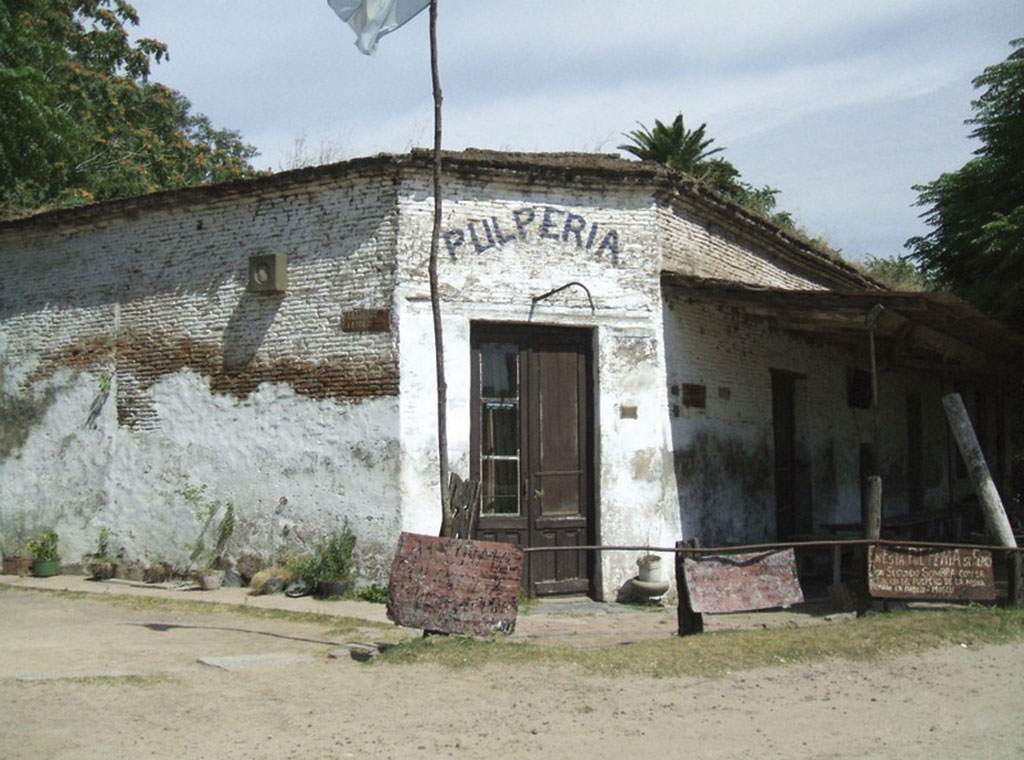
The village grew around its train station, which was part of the secondary branches of the Ferrocarril del Oeste. Around 1948, Mr. Ronaldo Fronteras arrived in the area and founded the first Almacén de Ramos Generales—general stores that sold a wide variety of everyday goods to people living in the countryside. Today, although these stores no longer serve their original purpose, many of them—like Fronteras—have been transformed into restaurants.
The village is well known for its excellent gastronomy and offers a wide range of restaurants serving homemade dishes such as ravioli, as well as traditional parrillas. It is a charming place to visit, with its chapel, main square, and antique shops. The best time to visit is during the week; although the restaurants are closed, the peaceful atmosphere is ideal for strolling and enjoying the fresh country air.
La Soleada Estancia is located just 20 minutes from Luján, a city deeply connected to rural life. Situated in the heart of the Pampas, its lands are highly fertile for both agriculture and livestock farming. For this reason, the area is surrounded by historic estancias dedicated to agricultural activities as well as horse breeding.
Luján’s train station is part of the Ferrocarril del Oeste, the same railway line that continues on to Mercedes. The train played a crucial role in the region’s economic development, especially in rural areas. Although the secondary branches are no longer in service, small rural towns developed around these former stations and are now visited for their traditional cuisine and well-preserved customs. This is how the small villages of Tomás Jofré and Altamira came into being.
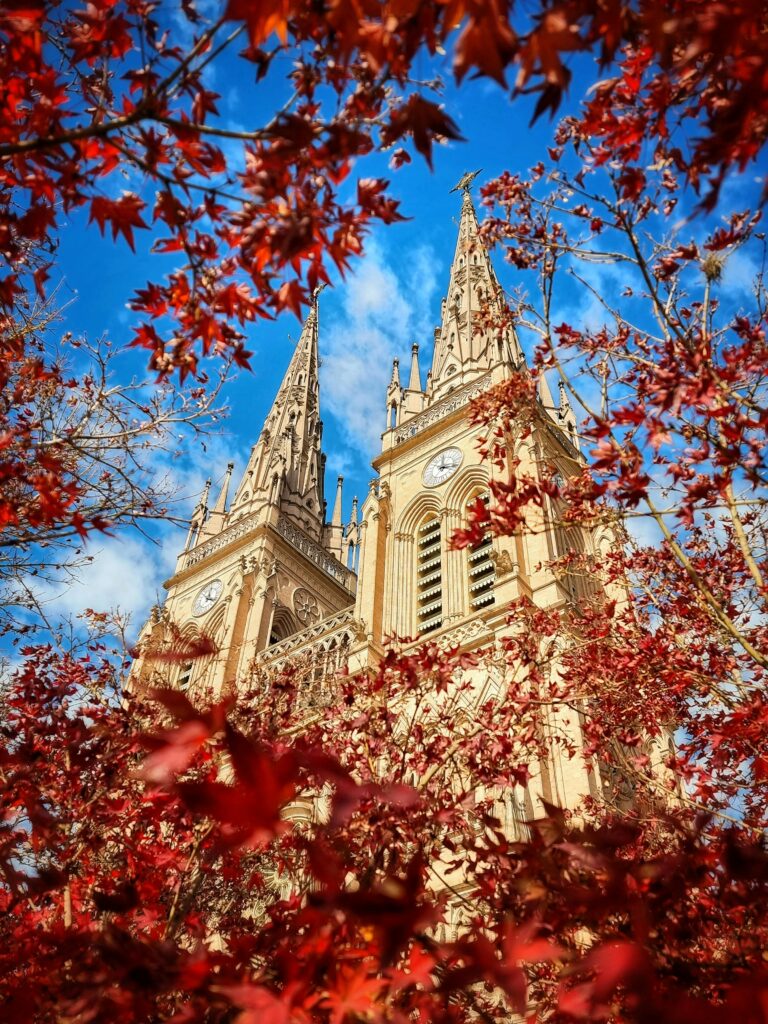
The city is also known for its impressive Basilica of Our Lady of Luján, built in honor of the Virgin of Luján, Patron Saint of Argentina. For this reason, it attracts hundreds of thousands of pilgrims every year.
One of the most iconic horseback journeys in the province—and arguably in the country—is the annual pilgrimage to Luján, held each year in late September.
In short, Luján represents countryside, horses, and tradition.
La ciudad de Mercedes es sinónimo de campo, caballos y tradición, ya que es una de las ciudades con mayor arraigo rural de la provincia de Buenos Aires. Ubicada a tan solo una hora de la ciudad de Buenos Aires, con acceso por la Ruta Nacional N.º 5, su identidad está profundamente ligada al campo y, por ende, a la cría de caballos, las tradiciones rurales y el polo.
Al igual que Luján, se encuentra ubicada en plena Pampa Húmeda de la provincia, una de las zonas más fértiles del país. Por este motivo, desde el siglo XIX fue un punto clave para la agricultura y, sobre todo, para la ganadería, actividad que dio lugar a la aparición de numerosas estancias históricas en la región.
Con la llegada del ferrocarril, la ciudad comenzó a expandirse, ya que muchas personas se establecieron alrededor de la estación de tren. Como ya hemos mencionado, el ferrocarril fue un factor clave en el desarrollo de los pueblos y ciudades del oeste de la provincia.
Mercedes es reconocida por mantener vivas las tradiciones del campo argentino:
The city of Mercedes is synonymous with countryside, horses, and tradition, as it is one of the towns with the strongest rural roots in the province of Buenos Aires. Located just one hour from Buenos Aires (with access via National Route 5), its identity is deeply tied to the countryside and therefore to horse breeding, rural traditions, and polo.
Like Luján, it is located in the heart of the Pampas grasslands—one of the most fertile areas in the country—which is why, since the 19th century, it became a key point for agriculture and especially livestock farming, an activity that led to the emergence of hundreds of historic estancias in the area.
Later, with the arrival of the railway, the town began to expand, as many people settled around the train station. As we’ve mentioned, the railway was essential in the development of the towns and cities of the western region of the province.
Mercedes is well known for strongly preserving Argentina’s rural traditions:
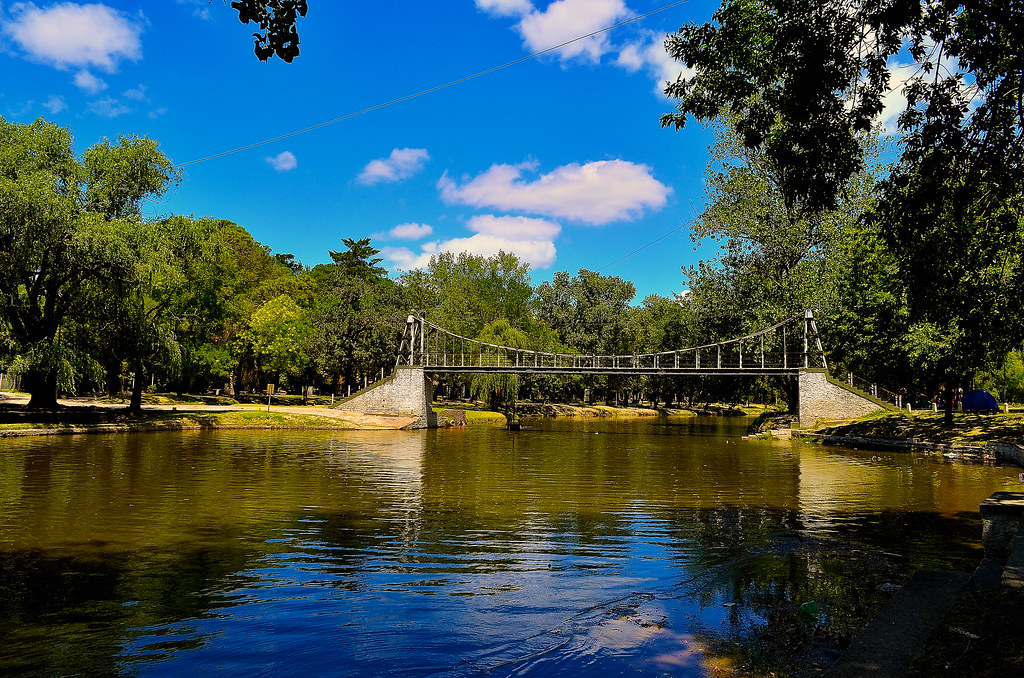
It is a city where the rural past remains alive and present in everyday life.
La zona está íntimamente ligada al polo. En sus alrededores hay numerosas cabañas y estancias dedicadas a la cría de caballos, tanto de razas criollas como de caballos para deporte. Los caminos rurales son escenario habitual de cabalgatas, peregrinaciones y paseos ecuestres. Es por ello que las cabalgatas de La Soleada son un programa ideal para conocer la cultura del campo.
En cuanto al polo, Mercedes forma parte del mismo corredor rural que Luján y Open door, donde el polo es el protagonista. El suelo fértil y el clima templado hacen que el entorno sea ideal para la cría y el entrenamiento de caballos de polo, lo cual es parte del atractivo de estancias como La Soleada.
It is a city where the rural past remains alive and present in everyday life.
The area is closely linked to polo. Its surroundings are home to numerous breeding farms and estancias dedicated to raising horses—both Criollo breeds and sport horses. Rural roads are a common setting for horseback rides, pilgrimages, and equestrian outings, which is why the rides offered by La Soleada are an ideal way to experience local country culture.
Regarding polo, Mercedes is part of the same rural corridor as Luján and Open Door, where polo is at the center of life. The fertile soil and mild climate create an ideal environment for breeding and training polo ponies, which is part of the appeal of estancias like La Soleada.